St John Medical Alarms NZ: A Closer Look at Emergency Support for Seniors
When I first started looking into personal emergency response systems for my mother, I felt overwhelmed by the number of options. She lives alone in her own home in Christchurch, and while she is still independent, a fall or sudden illness could leave her unable to call for help. That is when a friend recommended I look into St John Medical Alarms NZ. At first I was not sure what to expect, but after researching the service and talking to others who had used it, I realised how much thought and local knowledge goes into these devices.
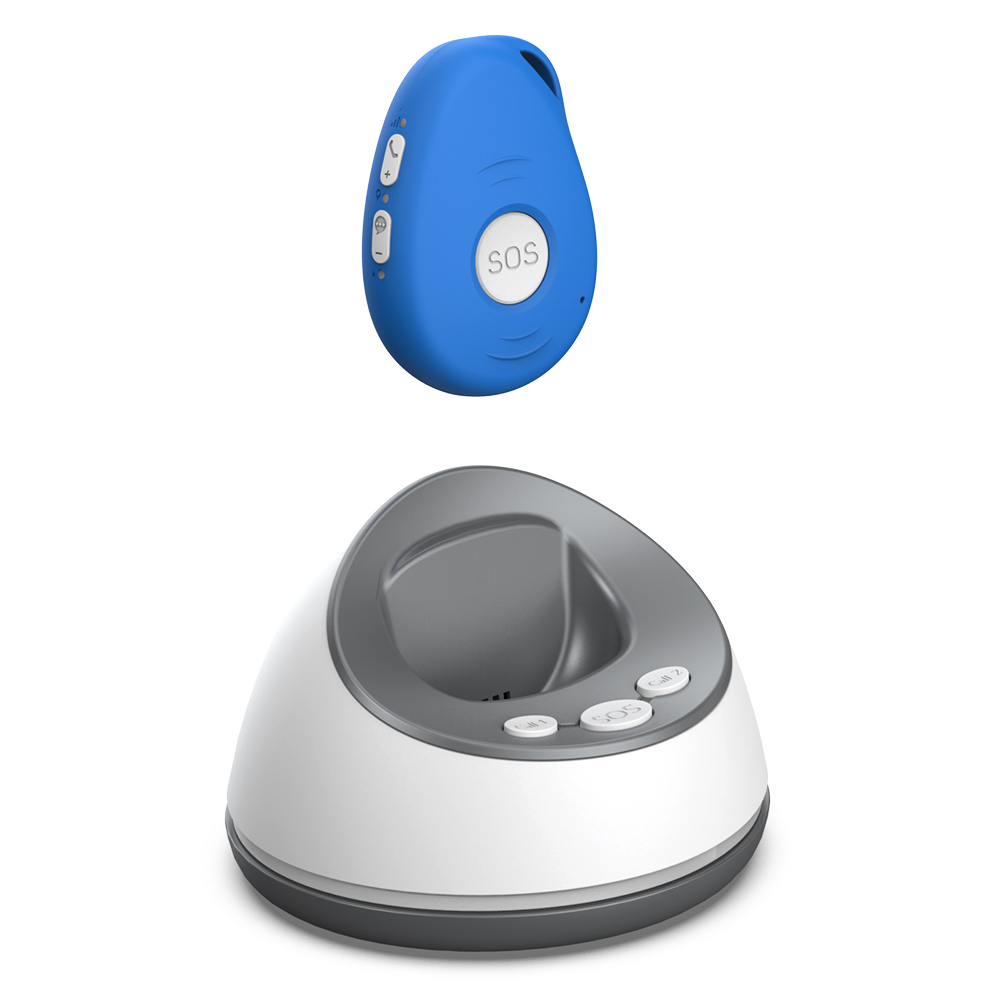
St John has a long history in New Zealand. Most people know them for their ambulance services and first aid training. But their medical alarm offering is something I had not fully appreciated until I needed it. The system is straightforward: you wear a waterproof pendant around your neck or on your wrist, and if you need help, you press a button. That call goes to a response centre staffed by trained operators who can send an ambulance, contact a family member, or alert a neighbour. For my mother, knowing that help is just a button press away has reduced her anxiety and mine.
One of the first things I noticed about St John Medical Alarms NZ is how they tailor the service to the New Zealand environment. The devices work on the cellular network, which means they are effective in both urban and rural areas. Many seniors in New Zealand live in smaller towns or on lifestyle blocks where a landline might not be reliable. St John's system uses a cellular unit with a battery backup, so even during a power cut the alarm still works. That gave me real peace of mind. My mother lives in a suburb with good cell coverage, but I have friends whose parents live rurally, and they have also found the service reliable.
How It Compares to Other Medical Alarms
There are several medical alarm providers in New Zealand, and each has its own strengths. Some offer GPS tracking, fall detection, two-way calling, and family monitoring through a mobile app. Others focus on keeping costs low by having no monthly fees. St John sits somewhere in the middle. Their system is not the cheapest, but it comes with the backing of a trusted organisation. When you call St John, you are speaking to people who understand emergency response. That matters when every second counts.
I also looked at Familyr, another provider that offers family-monitored emergency alerts with GPS tracking, fall detection, and two-way calling, all with no monthly fees. Their model is different because the alerts go directly to family members or caregivers rather than a central monitoring centre. That can be a good option if you have a close-knit family network. But for my mother, who lives alone and does not want to burden us with every small alarm, having a professional response centre felt safer. St John gives her that layer of professional oversight, while still allowing family members to be notified.

Features That Matter for Seniors
When you are choosing a personal emergency response system, or PERS, for a senior, the details matter. A waterproof pendant is essential because many falls happen in the bathroom. St John's pendant is waterproof, so my mother can wear it in the shower without worry. The range of the base unit is also important. In her house, the pendant works throughout the ground floor and even in the garden. She can potter around outside knowing she is still connected.
Fall detection is another feature worth considering. Not every fall leaves you conscious or able to press a button. St John offers fall detection as an add-on, which automatically triggers an alert if a fall is detected. This is particularly useful for older seniors who are at higher risk of falling. I have not added it for my mother yet because she is still steady on her feet, but I like knowing it is available if her mobility changes.
Two-way calling is a feature that many people overlook until they need it. With St John, when you press the button, the response centre can talk to you through the base unit. They can ask what is wrong, reassure you, and decide what help to send. That voice contact is comforting. My mother told me that just hearing a calm voice on the speaker made her feel less scared during a practice call. For someone living alone, that human connection is valuable.
GPS Tracking and Family Monitoring
Some systems now include GPS tracking, which is useful for seniors who are still active and may go for walks or take public transport. St John does offer a GPS-enabled pendant, but it works slightly differently. It uses a combination of cellular and GPS technology to locate the wearer. If your parent or grandparent has dementia or tends to wander, this feature can be a lifesaver. I have a neighbour whose father has mild dementia and often walks to the local shops and forgets the way home. A GPS tracker gives the family peace of mind without having to restrict his freedom.
Family monitoring through a mobile app is another option that some providers offer. With Familyr, for example, family members can receive alerts and see the location of the wearer on their phone. St John does not currently offer a family-facing app, but they do notify nominated contacts when an alarm is triggered. For many families, that is enough. The key is to match the level of monitoring to the senior's needs and the family's capacity to respond.
No Monthly Fees vs Professional Monitoring
One of the biggest decisions when choosing a medical alarm is whether to pay a monthly fee for professional monitoring or go with a system that has no monthly fees. St John charges a monthly subscription for their monitoring service, which covers the cost of the response centre and ongoing support. Familyr, on the other hand, has no monthly fees because the alerts go directly to family members. There is no right or wrong answer here. It depends on your situation. If you have family nearby who are willing and able to respond at any hour, a no-fee system can work well. If you want the reassurance of a professional response centre, especially if you live far from family, then a subscription model like St John's makes sense.
I chose St John for my mother because I live in Australia and cannot always get to her quickly. Knowing that a trained operator will respond within minutes and can dispatch an ambulance if needed is worth the monthly cost. The fee is modest, and for us it is a small price to pay for her safety.
Installation and Setup
Setting up the St John system was surprisingly simple. The base unit plugs into a phone line or cellular connection, and the pendant pairs with it automatically. The instructions are clear, and St John offers phone support if you get stuck. My mother, who is not particularly tech-savvy, managed to set it up with just a phone call from me. The pendant is lightweight and comfortable to wear. She forgets she has it on most of the time, which is exactly what you want.
Battery backup is included, so the unit keeps working during power cuts. In New Zealand, where storms can knock out power for hours, that is a real advantage. The pendant itself runs on a battery that lasts for years, so you do not need to worry about charging it.
Who Benefits Most from St John Medical Alarms NZ
In my experience, St John Medical Alarms NZ is best suited for seniors who live alone, have a history of falls or medical conditions, and want the security of a professional response. It is also a good choice for families who live at a distance and cannot drop everything to check on their loved one. The system works well for people in aged care or rest homes as a personal pendant, though many facilities already have their own call systems. For someone still living at home, it can mean the difference between a short stay in hospital after a fall and lying on the floor for hours waiting for help.

I have recommended St John to several friends whose parents are in their 80s and still living independently. The feedback has been consistently positive. One friend told me that her father pressed his pendant after tripping on the carpet, and an ambulance arrived within 15 minutes. He was treated for a minor injury and sent home the same day. Without the alarm, he might have waited much longer for help.
Choosing a medical alarm is a personal decision. There is no one-size-fits-all solution. But if you are looking for a trusted name in New Zealand with a proven track record in emergency response, St John Medical Alarms NZ is worth considering. The peace of mind it gives both the wearer and the family is hard to put a price on. And in a world where we cannot always be there in person, having that safety net makes all the difference.
Corrections
Spot something wrong? Send it to the desk and it gets fixed in the open.